
Condo Defects Check Before Renovation: New Launch Checklist
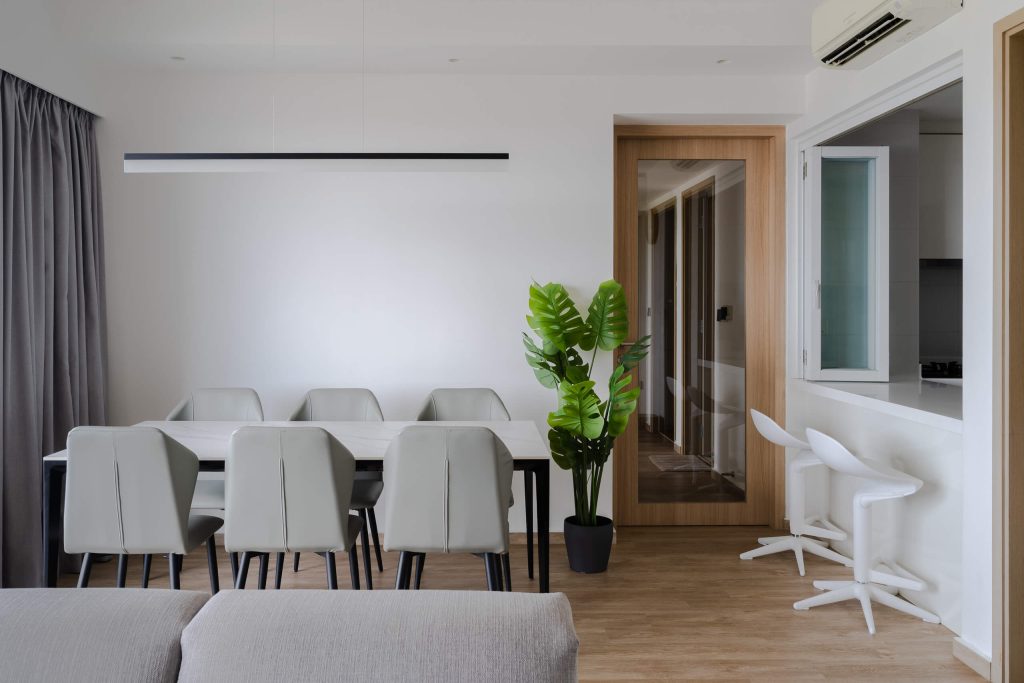
Check your new condo for defects before renovation starts — once your contractor touches a surface, the developer no longer has to rectify it free. You have a 12-month Defects Liability Period (DLP) from key collection, but the practical window is the few weeks between keys and your renovation start date. HDB flat owners follow a similar process — see our BTO defects check guide.
We see the consequences of skipped inspections on renovation sites every month: hollow tiles discovered during carpentry installation, window seals that leak into brand-new joinery. Here's the systematic check we recommend to every new-launch client, and how to document it so the developer acts.
When should you do the defects check?
Within the first two weeks of key collection, and always before renovation works begin. The developer's Defects Liability Period runs 12 months, but rectification only covers surfaces your own works haven't altered — which makes your renovation start date the real deadline. Build the inspection and the developer's repair window (typically 2–4 weeks) into your schedule; our condo renovation timeline guide shows where it fits.
What should you check, room by room?
Work through every room with the same routine: surfaces, openings, water, power. The full sweep takes 2–4 hours for a three-bedroom unit — slower than most owners expect, which is why rushed checks miss things.
| Area | What to check | How |
|---|---|---|
| Floors & walls | Hollow tiles, cracks, uneven plaster, stains | Tap every tile with a coin or rod; listen for hollow notes. Sight along walls with a torch held flat |
| Windows & doors | Alignment, locks, seals, glass scratches | Open and close every one fully; check for catching, gaps, water stains at frames |
| Bathrooms | Drainage slope, waterproofing, fittings | Pour a bucket of water at the shower area — it should reach the trap without pooling. Run every tap, flush every toilet |
| Kitchen | Cabinet alignment, counter chips, sink drainage | Open every door and drawer; run the sink full for two minutes |
| Electrical | Every point, every light, DB box labelling | Bring a phone charger and test each socket; switch every circuit |
| Aircon | Cooling, drainage, mounting | Run each unit 20 minutes; check for condensation drips |
| Ceilings | Stains, cracks, uneven skim | Torch held flat against the surface shows what daylight hides |
How do you report defects so the developer acts?
Submit one consolidated, numbered list with annotated photos — not a stream of messages. The format that gets results:
- Number every defect and key it to a floor plan
- Photograph each with something for scale, plus one wide shot locating it
- Mark the defect physically with low-tack masking tape so the repair team finds it
- Submit through the developer's official defects portal or form, and keep the acknowledgement
- Set a review date — walk the unit again after rectification, because patched skim coats and regrouted tiles deserve a second look
Do you need a professional defects inspector?
It's optional — a careful owner with a checklist catches most issues — but worth the S$300–600 for larger units or if you can't spare the hours. Professional inspectors bring moisture meters and thermal cameras that find what tapping can't, particularly waterproofing weaknesses. The honest trade-off: most of what they find is cosmetic and would surface anyway; the value is in the few expensive items (water ingress, failed membranes) caught while they're still the developer's problem.
What happens if you renovate first and find defects later?
You inherit them. A hollow tile under your new vinyl overlay, a leaking window frame behind your new curtain pelmet — once your works have covered or altered the area, attribution becomes contested and the developer's obligation effectively ends. This is also why we do a joint site walk before starting any new-launch project through our condo interior design service: your defects list protects our works schedule too. The same logic applies whether your unit is a new launch or an older one — though as our new launch vs resale guide explains, resale buyers have no DLP at all and should inspect before purchase instead.
The bottom line
Two weeks, one systematic walk, one numbered list — that's the entire discipline. It costs you an afternoon and saves the specific misery of paying to fix what the developer would have fixed free. Do it before the first contractor visit; if you'd like the inspection folded into your renovation planning, request a free design proposal and we'll sequence it together.

Ready to design your home?
Our design team will get back to you within 24 hours with a tailored proposal.